Key Checklist Items for Effective Electrical Safety Inspections
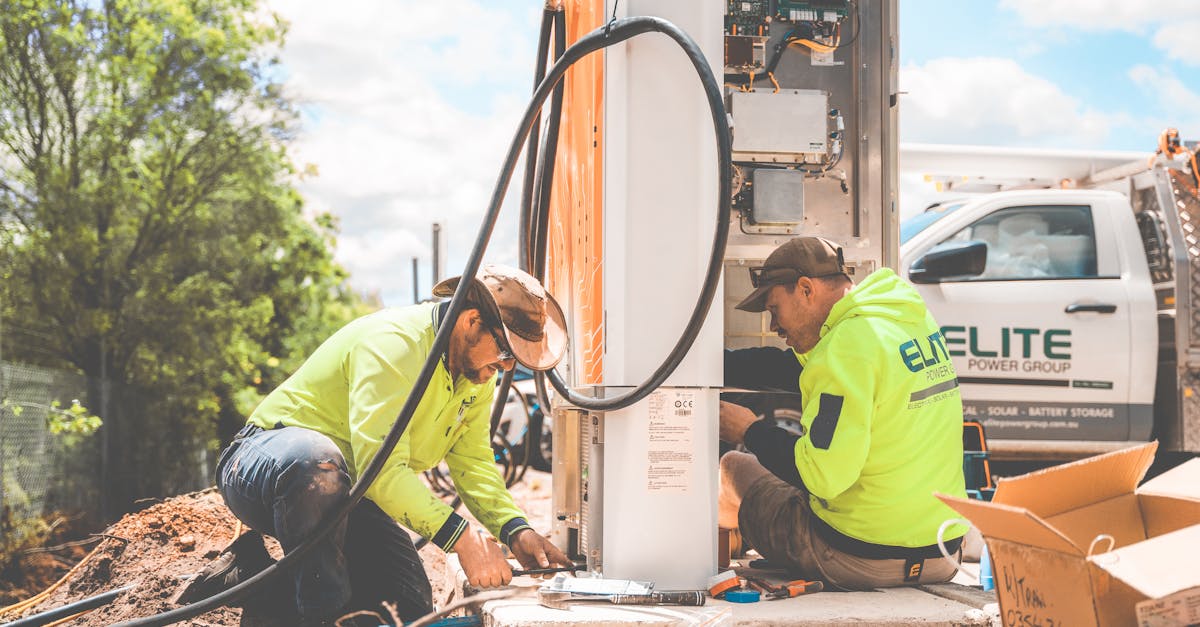
Table Of Contents
Testing Electrical Systems
Thorough testing of electrical systems is essential to ensure the safety and reliability of electrical installations. It involves a variety of assessments designed to identify potential hazards and ensure compliance with safety standards. Inspections typically cover aspects such as insulation resistance, earth continuity, and RCD (Residual Current Device) testing. Each of these tests plays a crucial role in verifying that the system functions as intended and operates within acceptable safety margins.
Regular checks not only help in detecting faults early but also minimise the risks associated with electrical failures. Technicians must be equipped with the necessary tools and knowledge to perform these tests accurately. Following a systematic approach during inspections allows for efficient identification and resolution of issues, ensuring that electrical systems remain safe for continued use. Engaging certified inspectors for these tasks is critical to uphold the integrity of electrical safety protocols.
Recommended Tests for Ensuring Safety
Regular testing of electrical systems is essential for identifying potential hazards and ensuring compliance with safety standards. Insulation resistance tests evaluate the integrity of the insulation within electrical circuits. These tests help detect any deterioration or damage that could lead to short circuits or electrical fires. Earth continuity tests verify the effectiveness of earthing systems, ensuring that safety measures are in place to protect against electric shock.
RCD (Residual Current Device) testing is crucial for ensuring that fault detection devices trigger effectively during an electrical fault. Routine testing of circuit breakers and fuses also provides insight into their operational capacity and reliability. Thermal imaging inspections can identify hotspots in electrical components, indicating potential overloads. Implementing these tests regularly enhances safety measures, helping to maintain a secure electrical environment for all users.
Documentation and Reporting
Accurate documentation is vital for maintaining a comprehensive overview of electrical safety inspections. Each inspection should include detailed notes on findings, observations, and any corrective actions taken. This information serves not only as a reference for future inspections but also as evidence of compliance with safety standards. Utilising standardised reporting formats can enhance clarity and ensure that all necessary details are captured effectively.
Maintaining records of electrical inspections helps track the history of inspections and potential issues over time. Up-to-date documentation provides transparency for stakeholders and can assist in pinpointing trends or recurring problems. It is essential to store these records securely, while also ensuring they are easily accessible for reviews and audits. Proper management of this information reflects a commitment to safety and regulatory compliance.
Keeping Accurate Records of Inspections
Accurate record-keeping is essential for tracking the safety and performance of electrical systems over time. Each inspection should note specific details such as the date, location, and the name of the inspector. Any anomalies or issues identified during the inspection require thorough documentation. This not only aids in follow-up actions but also provides a historical record that can be critical for future evaluations.
Maintaining records in a systematic manner allows for easy retrieval of information during compliance audits. It ensures that all stakeholders have access to up-to-date data regarding the electrical systems. Digital tools can facilitate this process by allowing for organised storage and quick sharing of inspection reports. These records serve as a basis for demonstrating compliance with safety regulations, fostering a culture of accountability within the organisation.
Compliance with Australian Standards
Adhering to Australian standards is crucial for maintaining electrical safety in various environments. These standards are designed to ensure that electrical installations are safe, reliable, and efficient. Regular inspections help identify any compliance issues, enabling timely rectification to reduce the risk of electrical hazards. Familiarity with AS/NZS 3000, the Wiring Rules, is essential for electricians and inspectors, as it lays out the fundamental safety requirements for electrical installations in Australia.
The compliance framework also includes specific regulations that must be followed, such as those outlined in the Electrical Safety Acts applicable in each state. These regulations provide guidance on best practices, equipment standards, and installation procedures. By ensuring adherence to these legal requirements, businesses and individual users can significantly enhance workplace safety and minimise the likelihood of incidents related to faulty electrical systems. Regular reference to these standards during inspections not only promotes compliance but also fosters a culture of safety and accountability within the electrical industry.
Relevant Safety Regulations to Follow
Understanding the relevant safety regulations is essential for conducting electrical safety inspections in Australia. The Australian Standards, particularly AS/NZS 3000, provide guidelines for the design, installation, and maintenance of electrical installations. Compliance with these standards helps ensure the safety of both personnel and equipment. Additionally, regulations from Safe Work Australia outline workplace safety requirements, which must be integrated into inspection protocols.
Regular updates to the legislative framework mean that staying informed is crucial. The Electrical Safety Act and its corresponding regulations demand adherence to safety practices in various settings, from residential properties to commercial buildings. Inspectors must be familiar with local and state requirements, as these can vary significantly. Adequate training and continuous education are vital to maintaining compliance and fostering a culture of safety.
FAQS
What are the primary tests conducted during electrical safety inspections?
The primary tests include insulation resistance testing, earth continuity testing, residual current device (RCD) testing, and circuit breaker testing to ensure the safety and reliability of electrical systems.
How often should electrical safety inspections be conducted?
Electrical safety inspections should generally be conducted annually, but the frequency may vary based on the type of installation, usage, and any specific regulatory requirements.
What documentation is necessary after an electrical safety inspection?
It is essential to maintain accurate records of inspection outcomes, including test results, any issues identified, corrective actions taken, and compliance with relevant standards.
What Australian standards apply to electrical safety inspections?
The relevant Australian standards include AS/NZS 3000 (Wiring Rules), AS/NZS 3760 (In-service safety inspection and testing of electrical equipment), and other applicable safety regulations that govern electrical installations.
How can I ensure compliance with electrical safety regulations?
To ensure compliance, regularly review and adhere to the latest Australian standards, conduct routine inspections, and engage qualified electricians to perform necessary tests and document the findings.
Related Links
Benefits of Hiring a Qualified Electrician for Safety InspectionsUnderstanding the Process of an Electrical Safety Inspection
Electrical Safety Inspections: What Homeowners Should Expect
Signs Your Home Needs an Electrical Safety Inspection
The Role of Electrical Safety Inspections in Home Insurance
How Electrical Safety Inspections Can Prevent Costly Repairs
Importance of Regular Electrical Safety Inspections in Residential Properties