Safety Protocols for Industrial Electrical Worksites
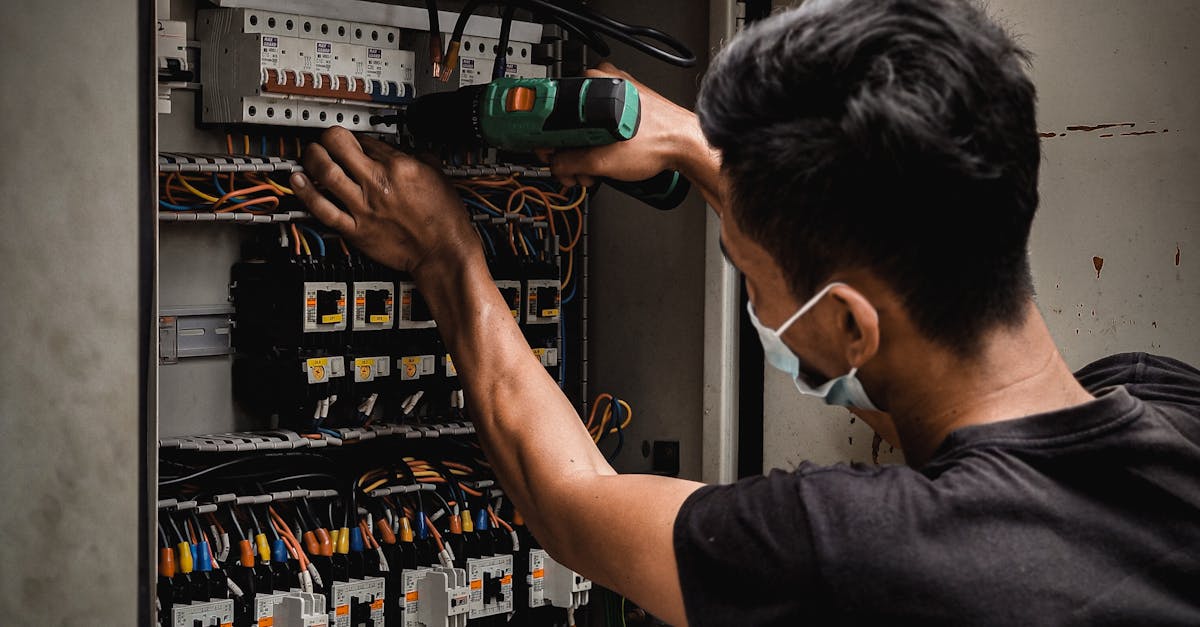
Table Of Contents
Emergency Response Plans
Preparedness is crucial in mitigating the consequences of electrical incidents. A well-structured emergency response plan outlines clear roles and responsibilities for each member of the team. Regular training sessions help ensure that all personnel are familiar with the procedures to follow during emergencies. This not only aids in swift action but also fosters confidence among workers, reducing panic during critical situations.
Communication is an essential element of an effective emergency response plan. Implementing a reliable method for reporting incidents ensures that the right personnel can be alerted quickly. All emergency contact numbers should be conspicuously displayed throughout the worksite. Conducting regular drills reinforces the importance of these protocols and solidifies the procedural knowledge required to respond effectively when an incident arises.
Preparing for Electrical Incidents
Preparedness is crucial in mitigating the dangers associated with electrical incidents. Workers should receive thorough training on identifying potential hazards within the workplace. This training includes understanding equipment specifications and acknowledging the signs of wear or malfunction. Implementing routine drills ensures personnel are familiar with emergency protocols, which enhances their responsiveness during an actual incident. First aid kits and fire extinguishers must be readily accessible at all times, with employees trained in their use.
Establishing a clear line of communication is essential for effective incident management. Designating specific roles for team members during emergencies contributes to a coordinated response. It is necessary to maintain an updated contact list of emergency services and internal safety personnel. Regular meetings to review procedures can foster an environment where workers feel comfortable voicing concerns or suggesting improvements. Keeping these plans visible and easily accessible reinforces the commitment to safety throughout the workplace.
Safe Work Practices
Adhering to established safety protocols is essential in mitigating hazards on electrical worksites. Workers should undergo comprehensive training to recognise potential risks associated with their tasks. Personal protective equipment must be worn at all times and should include insulated gloves, safety glasses, and helmets. Familiarity with emergency shut-off procedures for electrical systems is vital. Regular team briefings on safe work practices help reinforce knowledge and encourage a culture of safety among all personnel.
Proper planning and risk assessment play a crucial role in ensuring safe operations. Conducting pre-task safety meetings enables teams to identify specific hazards related to the job at hand. It is important to ensure that tools and equipment are in good working condition before use. Signage indicating electrical hazards should be prominently displayed throughout the work area. Maintaining a clean and organized workspace minimises the risk of accidents and enhances overall efficiency.
Procedures for Handling Electrical Components
When working with electrical components, implementing proper procedures is essential to ensure safety and efficiency. Personnel should always wear personal protective equipment (PPE), which includes insulated gloves, safety goggles, and appropriate footwear. Before commencing any task, conducting a thorough visual inspection of tools and components is vital. This helps identify any wear and tear that may pose a risk during handling. Additionally, tools should be rated for the specific voltage levels encountered to prevent incidents related to equipment failure.
Following established lockout/tagout (LOTO) procedures significantly reduces the risk of accidental energisation of equipment. Each worker must be trained in these protocols to ensure everyone understands the importance and implications of the process. Components should be handled with care, ensuring that they are not dropped or subjected to impact, as this can compromise their integrity. It is also crucial to follow manufacturer guidelines for installation and maintenance to minimise the risk of electrical faults and ensure compliance with relevant safety standards.
Regular Safety Audits
Conducting regular safety audits is essential for maintaining a secure work environment in industrial electrical settings. These assessments help identify potential hazards and ensure compliance with safety regulations. By systematically evaluating processes and equipment, companies can uncover areas for improvement. Inspections should be thorough and include all aspects of electrical safety, from protective gear to equipment functionality.
An effective audit involves not only checking for compliance with existing safety protocols but also assessing the overall culture of safety within the team. Engaging employees during these audits can foster awareness and encourage adherence to safety practices. Feedback from workers can provide valuable insights, making it easier to refine procedures and develop targeted training initiatives. Regular check-ins contribute to an ongoing commitment to safety standards and reduce the likelihood of incidents.
Evaluating Compliance and Effectiveness
Regular safety audits serve as a foundational element in ensuring that compliance with electrical safety standards is maintained. These audits involve a comprehensive review of existing protocols, practices, and equipment. Evaluators analyse the adherence to established safety regulations and identify any areas requiring improvement. This process not only highlights compliance but also assesses the overall effectiveness of the safety measures in place.
Gathering feedback from workers is essential for a complete evaluation of safety practices. Employees' insights provide valuable information about potential hazards and the practicality of safety protocols. Implementing their suggestions can lead to more robust safety measures. Continuous monitoring and analysis are crucial in fostering an environment that prioritises electrical safety, enabling prompt adjustments to strategies based on findings.
FAQS
What are emergency response plans in the context of electrical worksites?
Emergency response plans outline the procedures and protocols to follow in case of electrical incidents, ensuring that all personnel are prepared to react quickly and effectively to minimise risks and injuries.
How can I prepare for electrical incidents at an industrial site?
Preparing for electrical incidents involves regular training for staff, conducting risk assessments, ensuring the availability of emergency equipment, and having clear communication protocols in place for reporting emergencies.
What are safe work practices for industrial electrical work?
Safe work practices include following proper lockout/tagout procedures, using appropriate personal protective equipment (PPE), adhering to established safety protocols, and regularly reviewing safety guidelines with all team members.
What procedures should be followed when handling electrical components?
Procedures for handling electrical components include ensuring that the power supply is de-energised before starting work, using insulated tools, wearing PPE, and following manufacturer instructions for installation and maintenance.
How often should safety audits be conducted on electrical worksites?
Safety audits should be conducted regularly, typically at least annually, or whenever there are significant changes to the work environment, processes, or following an incident, to evaluate compliance and effectiveness of safety protocols.
Related Links
Innovations in Industrial Electrical Control SystemsUnderstanding the Role of Automation in Industrial Electrical Services
Best Practices for Industrial Electrical Wiring Techniques
Mitigating Electrical Hazards in Manufacturing Environments
The Impact of Electrical Load Analysis on Industrial Operations
Efficient Power Distribution Solutions for Industrial Facilities
Importance of Preventive Maintenance for Industrial Electrical Systems
Upgrading to High-Efficiency Lighting for Factories